
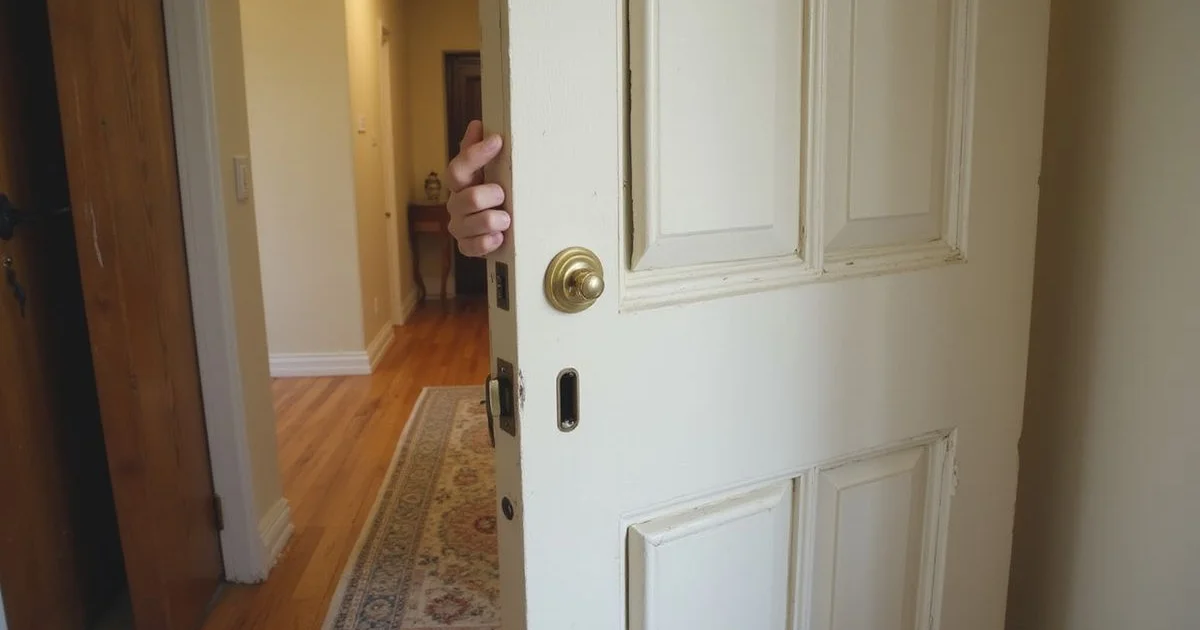
One of the more useful early indicators in the common foundation concerns set, and one of the most misread.
Why doors are useful indicators
A door frame is effectively a rectangle fixed into a wall. If the structure around it moves even slightly, the rectangle goes out of square, and a door that was fitted to a square opening stops fitting.
That sensitivity makes doors one of the earlier visible indicators of movement — often noticeable before cracking becomes obvious, and certainly before anyone takes an elevation reading.
It also makes them sensitive to things that have nothing to do with the foundation, which is why this guide exists.
The other explanations, which are common
Humidity. Timber doors and frames take on moisture in humid conditions and swell. In a North Texas summer, this is a genuine and recurring cause of doors binding, and it resolves when conditions dry out.
Paint build-up. Several coats over decades reduce clearance, and a door that was tight becomes one that binds.
Hinge wear and loose screws. A door sagging on worn hinges drags at the latch edge or the bottom corner.
The door itself. Solid timber doors warp. Older ones particularly.
Settling of the door installation. Not the house — the door and frame within the opening.
Any of these can produce a sticking door with a perfectly sound foundation.
What makes it structural-looking
| Observation | Why it matters |
|---|---|
| Multiple doors affected on the same side of the house | Single cause acting on an area, not on one door |
| Consistent binding edge across those doors | Suggests a direction of movement |
| Persists through a change in season | Rules out humidity |
| Worsening gradually rather than cycling | Suggests progression rather than seasonality |
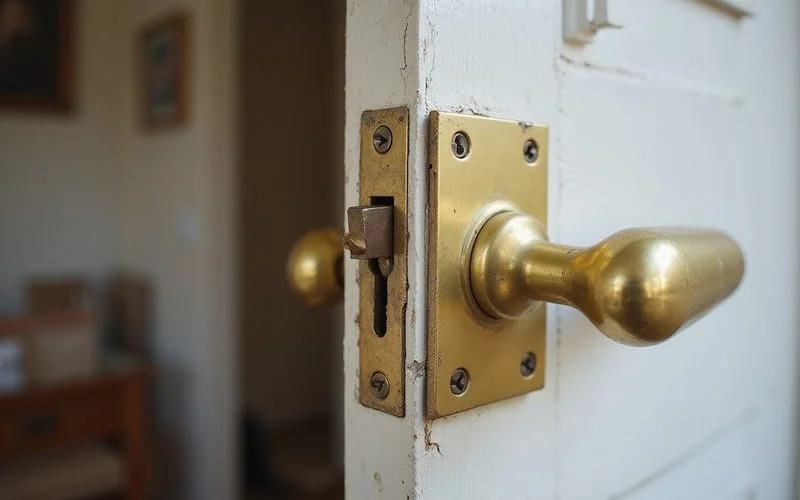
| Latch no longer aligns with strike plate | Frame geometry has changed, not just the door |
| Gap around the door tapers corner to corner | The opening is out of square |
| Corresponds with cracking or floor slope nearby | Coherent picture across observations |
One of those is weak evidence. Four of them together is a reason to have the house measured.
How to document it properly
Walk the house and operate every interior door, not just the one you noticed. For each that binds, record:
- Which room and which door
- Which edge binds — top, latch side, bottom
- Whether the latch still meets the strike plate
- Whether the gap around the door is even or tapered
- The date
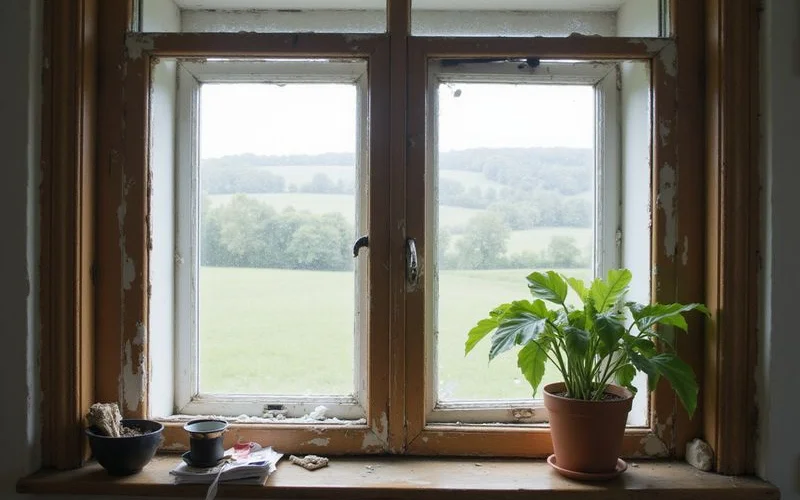
Do the same for windows that have become stiff or will not close fully.
Then check again in three months, ideally across a change in weather. If the sticking cleared, you have your answer. If it persisted or got worse, you have evidence worth acting on.
The cheapest useful test
Write down today’s observations with the date. Do nothing else. Check again after the seasons have changed. That one habit distinguishes humidity from movement more reliably than any inspection of the door itself.
What to do before planing anything
Planing a binding door is the obvious fix and it works. It also removes your indicator, and if the house is ever leveled the door will need refitting the other way.
If the sticking is longstanding and stable, plane away. If it appeared recently or is worsening, document it first and leave the door alone for a few months.
When to get the house measured
When several doors or windows are affected in the same area. When the problem persists across a change in season. When it is worsening. When it corresponds to cracking, sloping floors, or trim separation. When you need documentation for a transaction.
A foundation evaluation takes elevation readings across the house, which is what turns “several doors are sticking” into a measured picture of what the floor plane is doing.
For the related observations, see uneven or sloping floors and the full set at common foundation concerns.