What a crawlspace does and why moisture matters
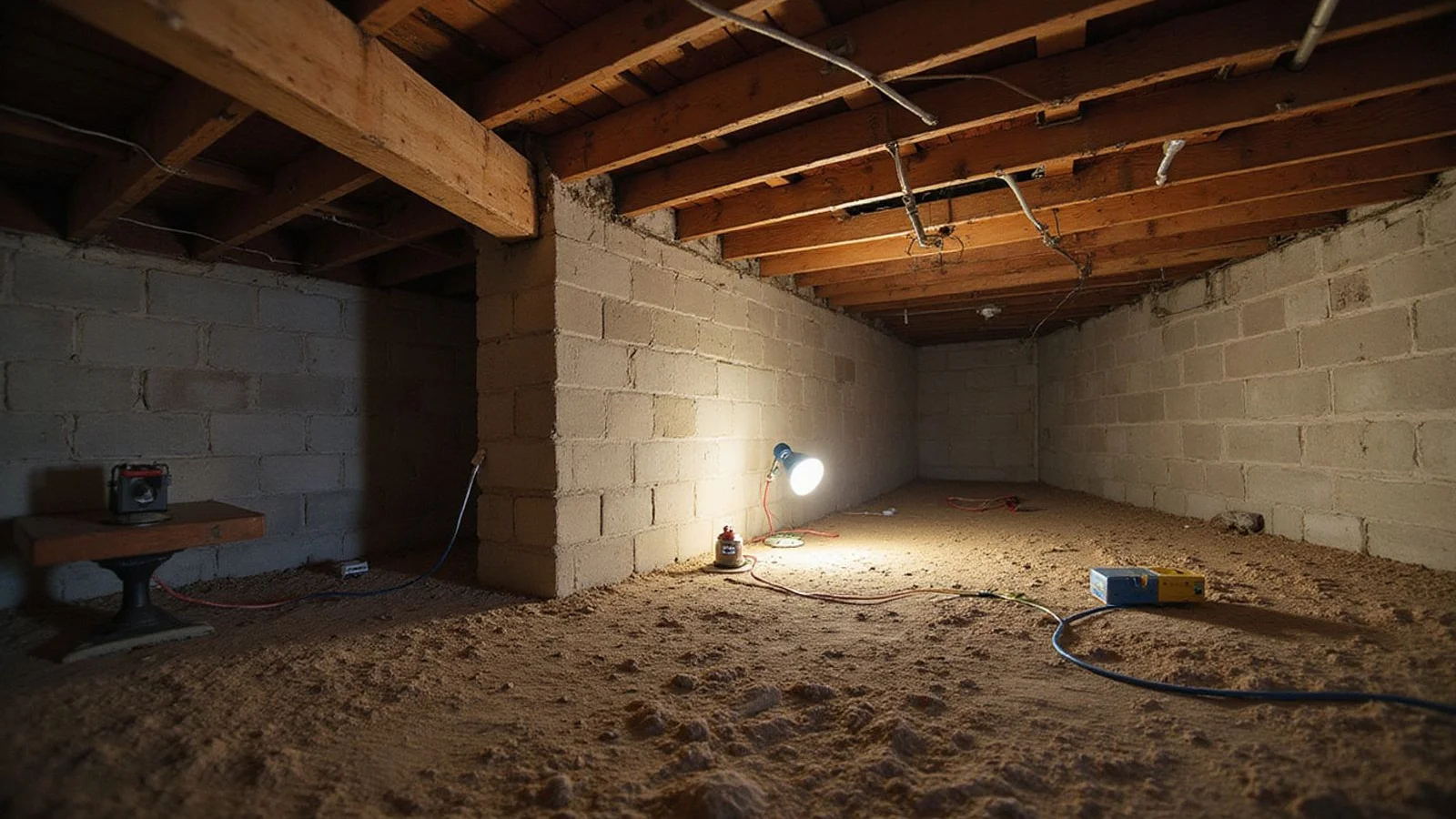
The crawlspace under a pier-and-beam home is a ventilated void between the ground and the floor framing. It gives access to the supports, the plumbing, and the underside of the house — which is one of the practical advantages of this construction over a slab.
It also puts timber framing directly above bare soil. Moisture evaporates from that soil continuously, and in a poorly ventilated or persistently damp crawlspace it raises the humidity around the joists, girders, and sill plates. Sustained high wood moisture content is what creates conditions for decay, and decayed framing is a structural problem that started as a moisture problem.
Encapsulation addresses the moisture side of that chain. It is genuinely useful. It is also frequently oversold, and it is routinely confused with structural repair in a way that costs homeowners clarity when comparing proposals. Where framing or support has actually moved, that is structural foundation repair in Fort Worth and belongs on a separate line of the scope.
What the work involves
Assessment first. Clearance, ground condition, evidence of standing or past water, wood moisture readings, framing condition, existing ventilation, and the state of the access door.
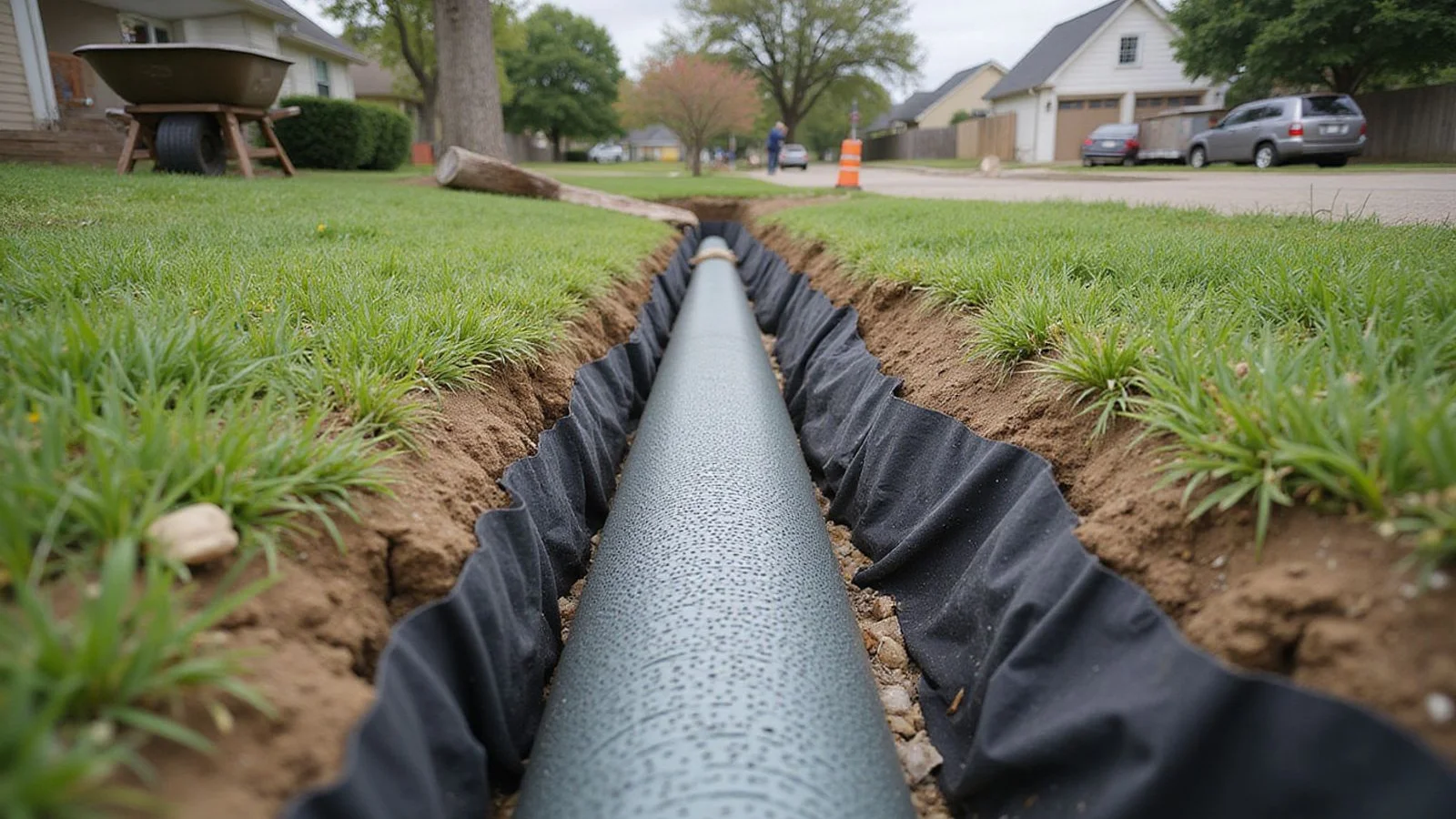
Bulk water before barriers. If water is entering the crawlspace, that gets addressed before a liner is installed. Drainage correction, grading, or a sump arrangement depending on the source.
Ground cover and sealing. A 10-20 mil polyethylene vapor retarder laid across the ground with seams sealed rather than simply overlapped.
Wall liner and penetrations. In a full encapsulation, the liner is carried up the foundation walls and terminated, with piers and any pipe or duct penetrations detailed so the barrier stays continuous.
Access door detailing. The point most often left undone, and the one that undermines the rest if it is.
Dehumidification where specified. Not universal, and it comes with a power connection and a condensate drainage requirement that should be in the scope rather than assumed.

What encapsulation does not cover
It is worth being blunt about this, because the bundling is so common.
Encapsulation does not sister a joist. It does not replace a decayed sill plate. It does not rebuild a settled pier or re-support a sagging girder. It does not level a floor. It does not correct drainage outside the house, and it does not make an active plumbing leak go away.
All of those may be appropriate work on the same property. Each of them is scoped as its own line item on our proposals, with its own price, so you can decide on each independently and compare them against anyone else’s quote. When a competing proposal gives you one number for “crawlspace repair”, asking for that breakdown is entirely reasonable.
Maintenance and what to watch
An encapsulated crawlspace is not a sealed box you never think about again. The access door detailing needs to survive being opened. Any dehumidifier needs its condensate drain checked. If a plumbing leak develops above the barrier, the liner will hold the water rather than letting it disappear into the ground, which is arguably a feature but means someone has to look.
Periodic inspection is the point, not an inconvenience. A crawlspace nobody has looked at since it was encapsulated is a crawlspace where a problem has had years to develop unobserved.
For the broader picture on crawlspace conditions and how they interact with framing, see the guide on crawlspace moisture, floor framing, and evaluation.