What concrete leveling does
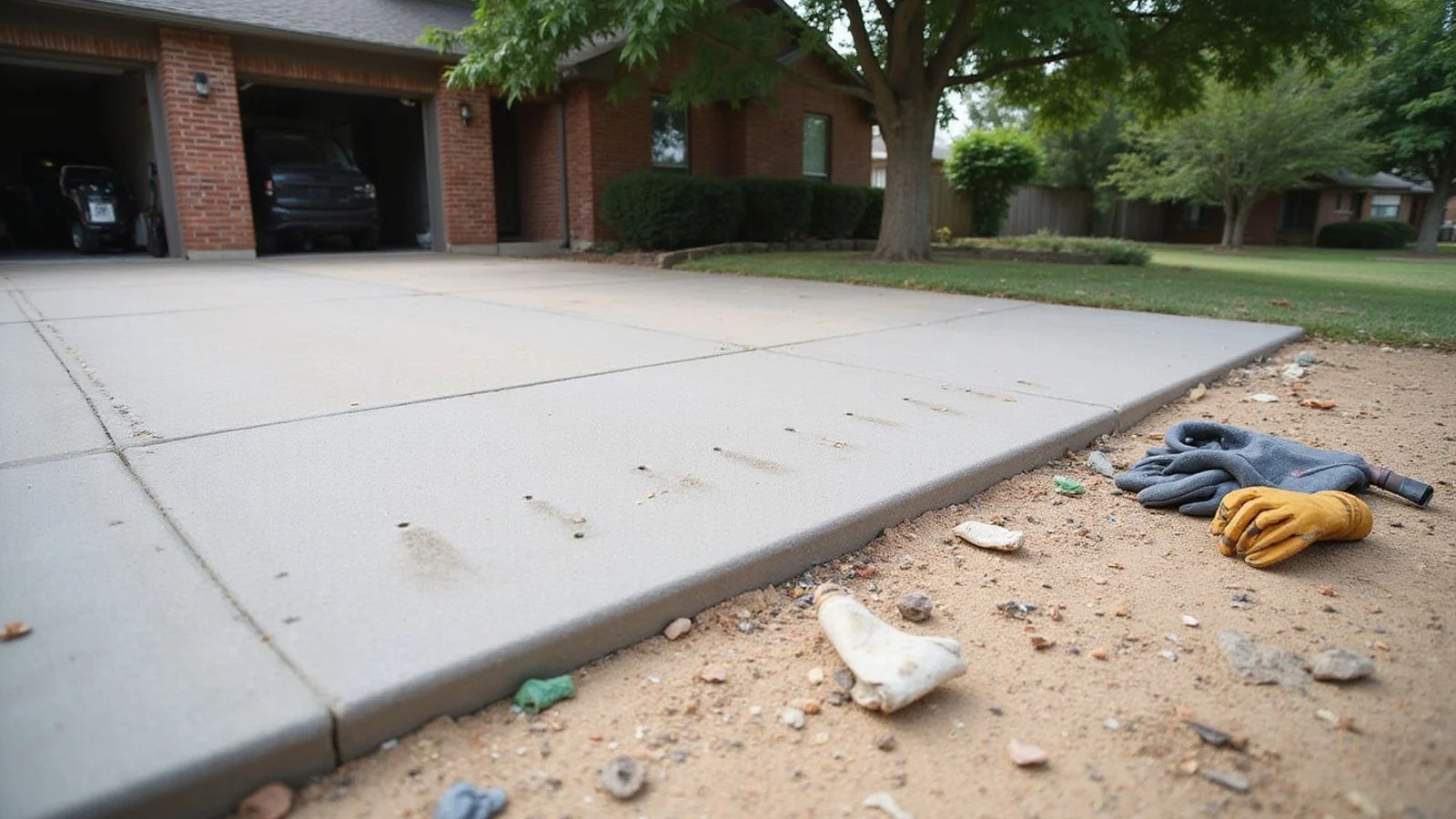
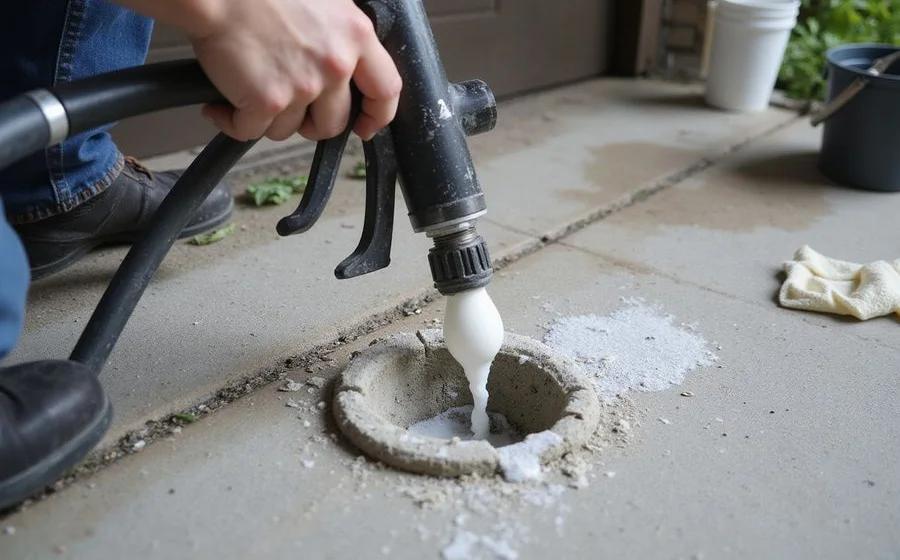
Concrete leveling, sometimes called slab jacking, raises settled flatwork back to its intended position by injecting expanding polymer beneath it. It is a targeted fix for a specific problem: a concrete panel that has dropped because the material supporting it moved, eroded, or compressed.
The typical candidates around Fort Worth are driveways with a settled panel at the garage approach, sidewalks that have formed a lip at a joint, patios that have tilted back toward the house, pool decks, and concrete steps or landings that have pulled away from the structure.
What it is not is foundation repair. That distinction runs through this page because the confusion between them is genuinely common, and it costs homeowners money in both directions — some pay for foundation work when they needed flatwork leveling, and some assume a leveled driveway means their house has been dealt with. If the structure itself is the concern, that is foundation repair in Fort Worth, and it is a different scope entirely.
What causes flatwork to settle
Flatwork sits on prepared subgrade, and it drops when that subgrade fails to hold it. The usual reasons:
Poor compaction at construction. Fill placed and not compacted properly continues to consolidate under load for years.
Subgrade erosion and washout. Water running consistently along an edge or under a joint carries fine material away. This is the cause most worth identifying, because it is ongoing.
Soil volume change. Expansive clay shrinks in dry periods, withdrawing support from beneath a panel.
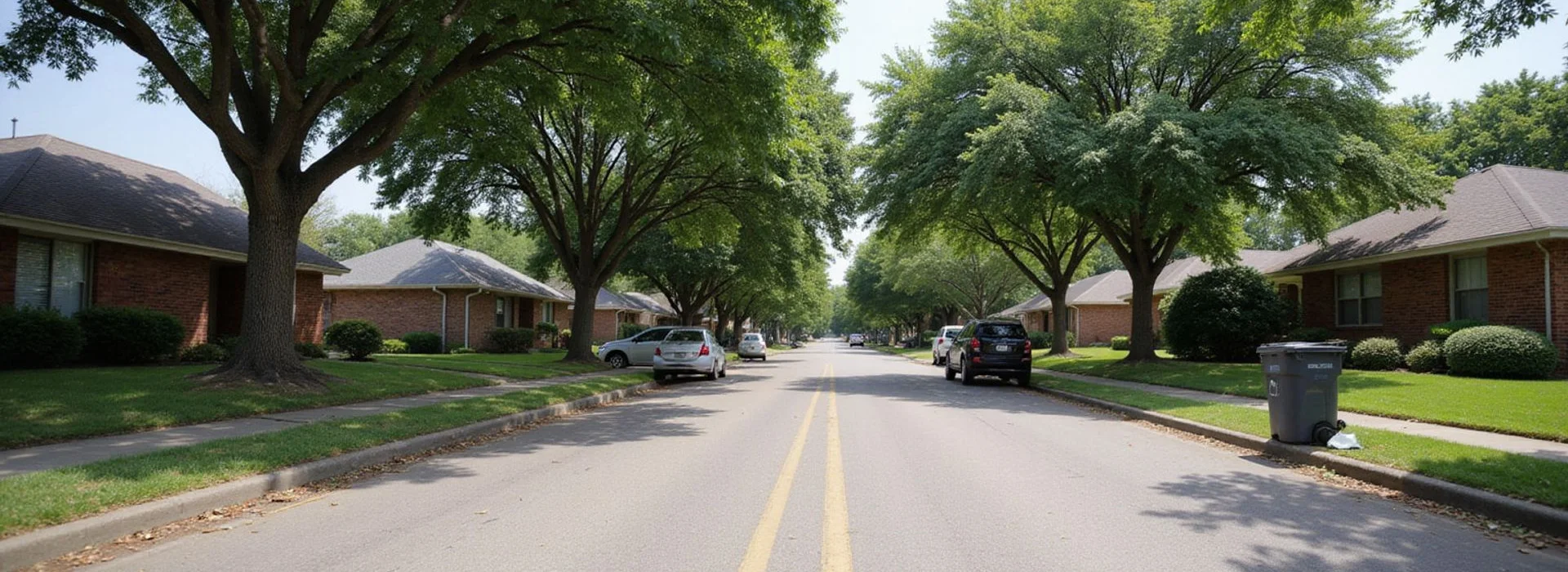
Tree root activity. Roots both displace material and draw moisture out of it, and both effects show up in nearby flatwork.
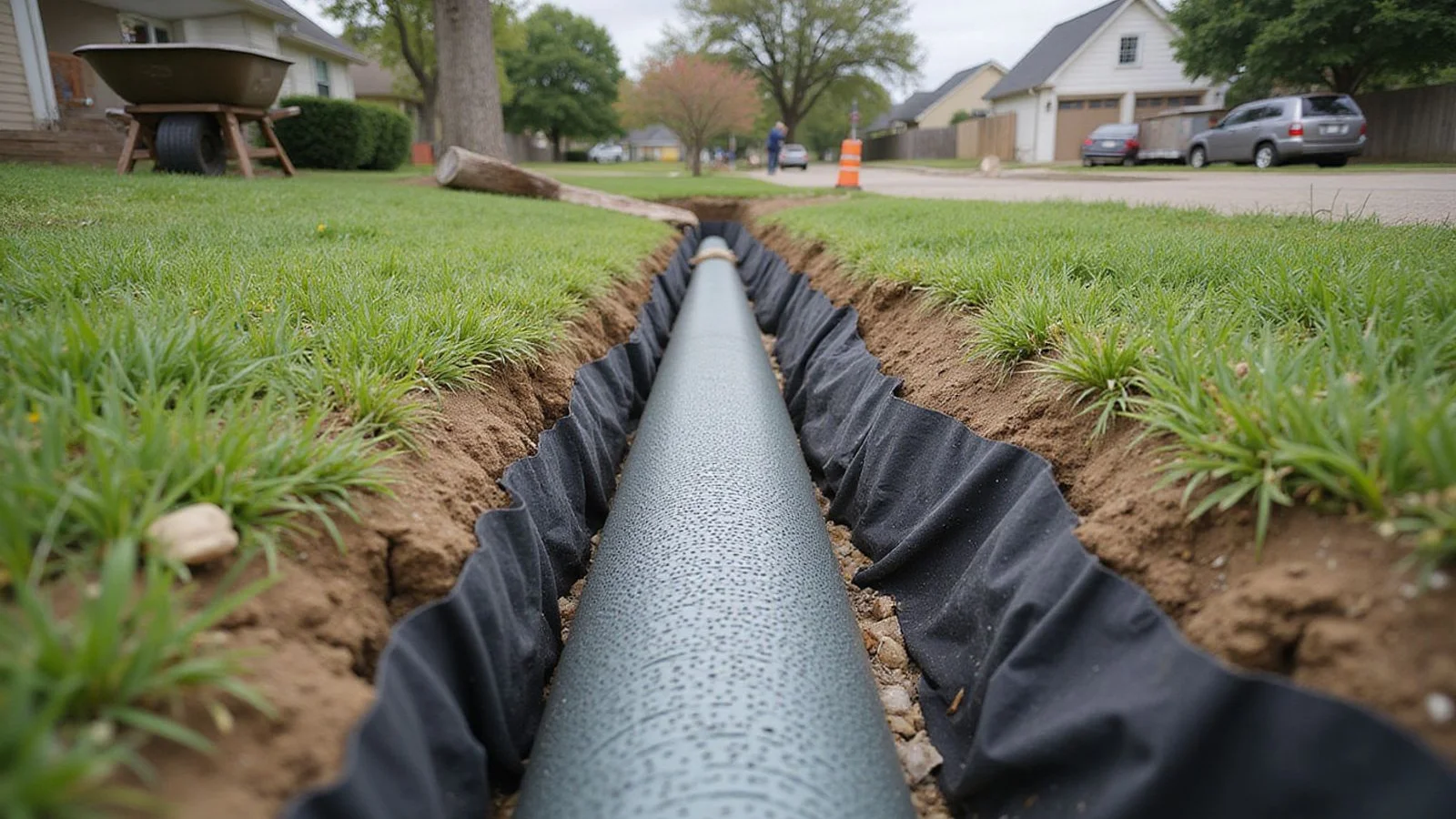
Under-slab washout near downspouts. Roof water discharging at the edge of a driveway does a surprising amount of damage over a few seasons.
When leveling is the right call, and when it is not
Good candidates: sound concrete that has settled more or less as a unit, with limited cracking, adequate thickness, and a subgrade problem that is either resolved or resolvable.
Poor candidates: panels broken into several pieces, heavily spalled or deteriorated surfaces, unusually thin slabs, and any situation where the water causing the washout has not been addressed. Lifting concrete over an active washout buys you time, not a solution.
Replacement is often better where the concrete is at the end of its life regardless of position. Levelling a panel that will need replacing in two years is not a saving.
We would rather tell you that up front than lift something that should have been replaced.
Cost factors
Flatwork leveling is quoted by the area and the volume of material required, which depends on how much void there is and how far the panel needs to rise. Other factors: panel thickness and condition, how accessible the area is for the equipment and hose runs, whether drainage or washout needs addressing first, and finish expectations around the port patches.
It is nearly always substantially less expensive than replacing the same area of concrete, which is the main argument for it where the panel qualifies.
Where this connects to the rest of the site
Settled flatwork and a moving foundation can share a cause — the same drainage problem, the same dry season, the same tree. Noticing one is a reasonable prompt to check the other, which is why the drainage solutions page and the guide on cosmetic crack repair versus structural repair are both worth reading if you are here because something outside has moved.
But noticing settled flatwork is not evidence that your foundation has moved, and we will not imply otherwise to sell you a larger job. If you want the house itself assessed, that is a foundation evaluation, and it is a separate piece of work.