
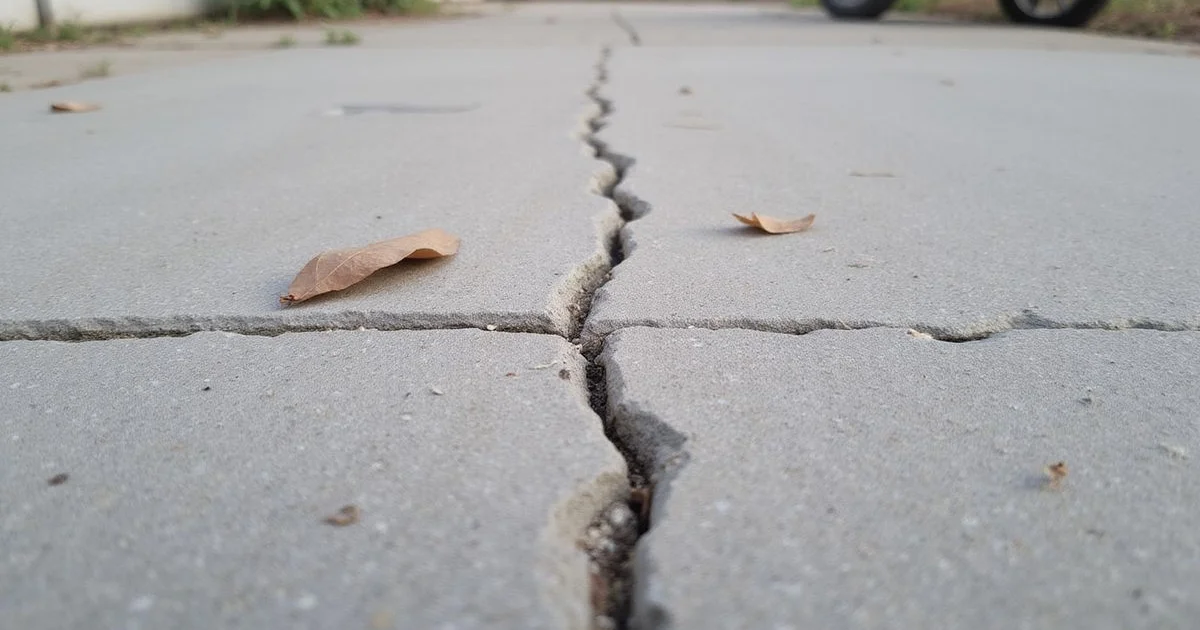
Two different jobs
Cosmetic repair addresses appearance and keeps water out. Filling, sealing, patching, repointing. It makes the surface look right and stops the crack collecting dirt and moisture.
Structural repair addresses the reason the crack exists. Underpinning, re-support, framing repair, drainage correction — whatever is causing the movement that produced it.
They are not competing options. They are different stages of the same sensible sequence: work out whether anything structural is happening, address it if so, then fix the appearance.
The mistake people make is doing the third step first.
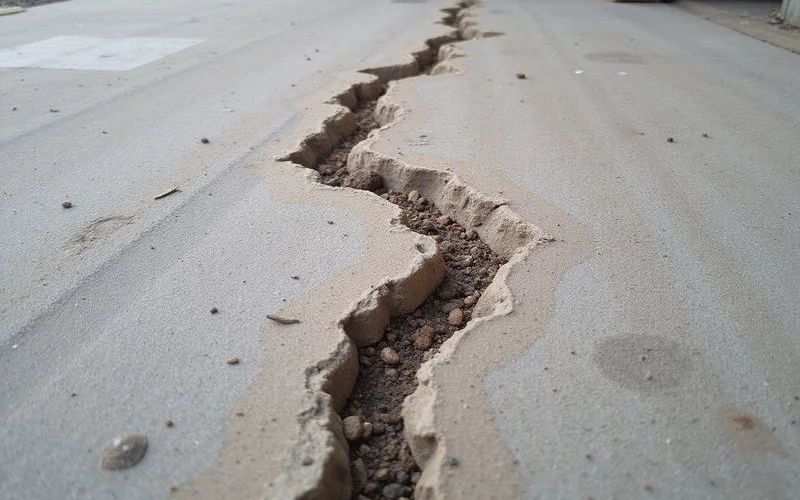
What points toward structural
| Indicator | What it suggests |
|---|---|
| Displacement out of plane | One side has moved relative to the other, not just parted |
| Corresponds to other observations | A coherent picture rather than an isolated crack |
| Runs diagonally from an opening corner | Stress concentration, consistent with movement |
| Lengthening or widening over time | Something is still happening |
| Reopened after previous repair | Movement continued after a dated intervention |
| Accompanied by a functional change | A door that stopped latching, a floor that shifted |
What points toward cosmetic
Surface-level cracking with no displacement. Fine cracking in a pattern typical of shrinkage — common in concrete in the first year or two, and in drywall in new construction. Cracks with no relationship to anything else in the structure. Cracks that have been static for years.
Crazing on a concrete surface — a fine map-like pattern — is a surface phenomenon rather than a structural one.
Why misdiagnosis costs money in both directions
Sealing a structural crack buys a tidy appearance and loses the monitoring information. The movement continues, the crack reappears, and in the meantime you have lost the ability to say whether it changed. That information was free and it is now gone.
Treating a cosmetic crack as structural buys underpinning a house did not need. That is the more expensive error, and it is the one the industry has a commercial incentive toward. It is why we insist on elevation measurement before anyone quotes a pier count.
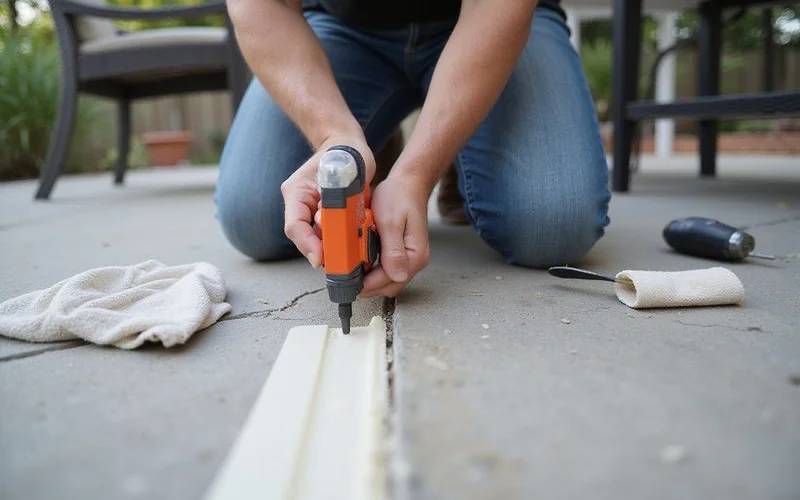
The sensible sequence
Document first. Photograph the crack wide and close with scale. Note the date. Mark the end in pencil and date the mark.
Wait. Four to six weeks, ideally across a change in weather. Re-photograph.
Check for correspondence. Is anything else in the same part of the house doing something? A door, a floor, an exterior crack?
Decide. Static, isolated, no displacement, nothing else happening — seal it and move on. Changing, displaced, or corresponding with other observations — get the house measured.
Then finish. Cosmetic repair after the structural question is settled, not before.
The only thing you lose by waiting
A few weeks of slightly untidy appearance. What you gain is the single most useful piece of evidence about the crack, which is whether it moved.
On flatwork specifically
Cracks in driveways, patios, and sidewalks follow the same logic but with lower stakes, since the concrete is not carrying your house.
Sealing a stable crack in flatwork is straightforward maintenance and worth doing to keep water out of the subgrade. Where a panel has cracked because it settled into a void, sealing the crack does nothing about the void — that is a concrete leveling question, and the guide on foam lifting covers when a panel qualifies.
And where flatwork has settled toward the house, the drainage consequence matters more than the crack.
When to get it measured
If the crack is changing, displaced, corresponding with other observations, or accompanied by something in the house no longer working properly, that is a measurement question.
A foundation evaluation records elevation across the house and turns a crack from an appearance into evidence. For the exterior masonry version of this question, see brick and mortar cracks.