
What maintenance is actually for
Foundation maintenance does not make a house immune to movement. What it does is remove the avoidable causes of uneven soil moisture, which is the mechanism behind most of the differential movement we are called out to look at.
Expansive clay shrinking and swelling is normal. A house where the whole perimeter goes through that cycle together changes very little. A house where one corner stays wet because a downspout empties there, while the opposite side bakes under a mature tree, is being pulled in two directions.
Everything below is aimed at that one idea: keep conditions around the perimeter as even as you reasonably can.
Water management, which is most of it
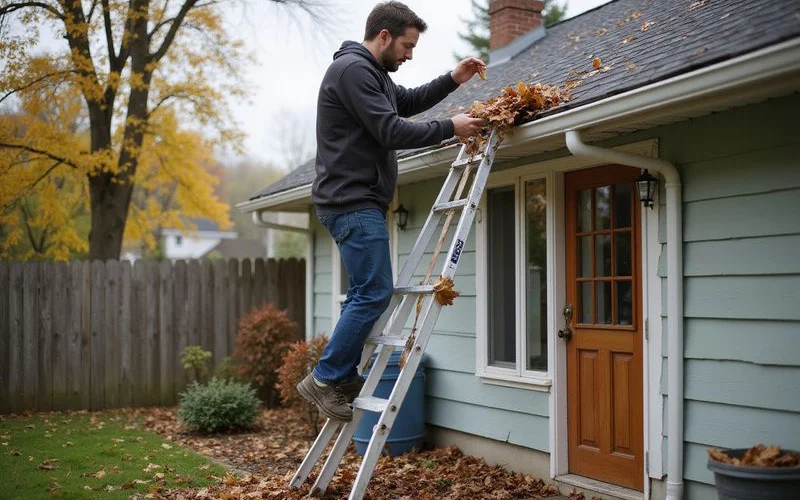
Gutters. Clear them. A blocked gutter overflows at the eave and dumps concentrated water at the foundation, which is the same problem as a bad downspout with extra steps.
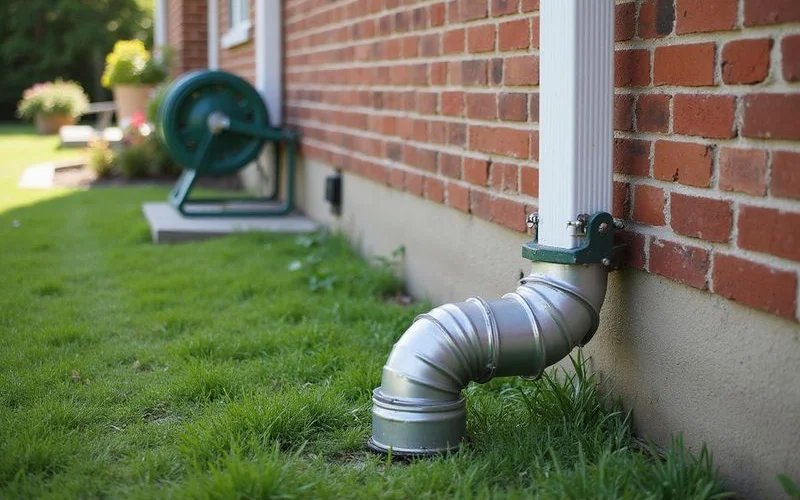
Downspouts. Check where each one discharges. Anything emptying within a few feet of the foundation should be extended, or connected to buried solid pipe running to a proper outlet. This is the cheapest high-value item on the list, and also the one most often undone by someone mowing the lawn, so it is worth doing properly.
Grade. The ground should fall away from the house, not toward it. Over time, settling, mulch top-ups, and landscaping changes can reverse that without anyone noticing. Walk the perimeter after rain and see where water sits.
Irrigation. Check coverage. A zone that soaks one side of the house while another gets nothing creates the exact differential you are trying to avoid. Also check for leaking heads near the foundation, which quietly saturate one area for months.
Flatwork slope. Patios and driveways that have settled toward the house are directing water at the foundation. That is a concrete leveling question rather than a drainage one, but the effect is the same.
Perimeter moisture in dry spells
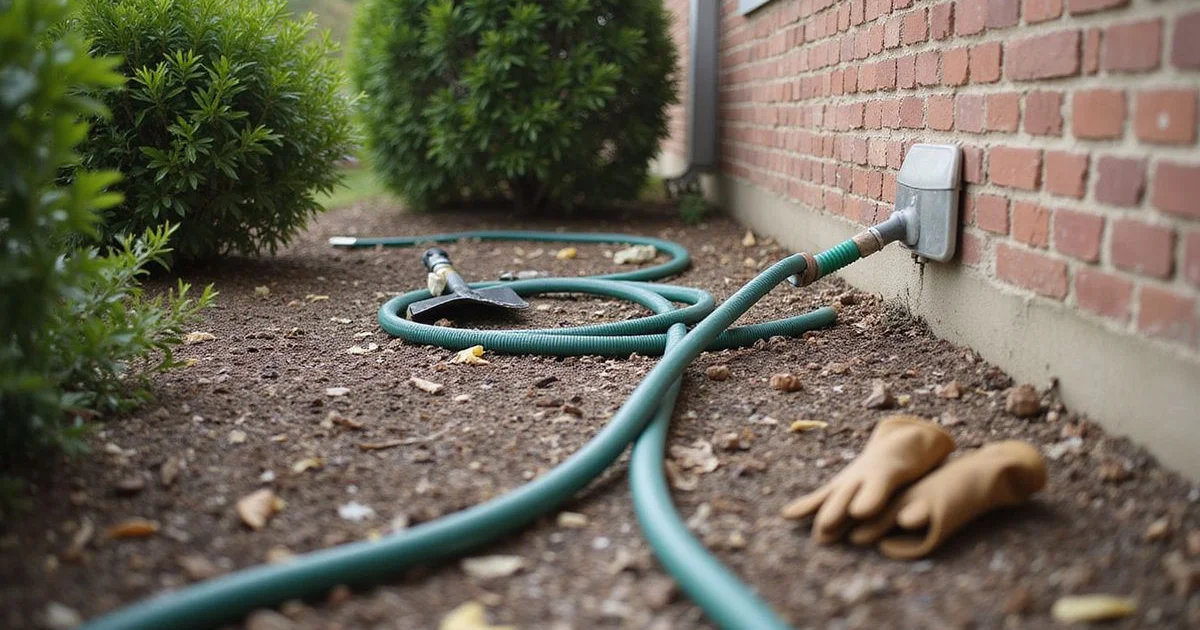
Through a hot dry North Texas summer, many local homeowners run a soaker hose around the foundation perimeter. Done well, it moderates the drying cycle.
Done badly, it makes things worse. The principles:
- Position roughly a foot to eighteen inches out from the foundation, not against the wall
- Use a soaker hose or drip rather than a sprinkler, so application is slow and even
- Run it regularly and modestly rather than heavily and occasionally
- Cover the whole perimeter, not just the side where you noticed something
- Adjust for actual weather rather than running a fixed schedule through a wet week
- Check current municipal watering restrictions, which vary by city and change
The foundation watering guide goes into method, timing, and the arguments against overdoing it.
Plumbing, which people forget
An under-slab supply or drain leak introduces water beneath the foundation continuously, and it does so invisibly. It is one of the more common causes of localised movement that gets mistaken for ordinary settlement.
Worth watching for: an unexplained rise in water usage, a warm spot on a slab floor, damp that does not have an obvious source, or vegetation growing unusually well in one patch of yard. Any of those is worth a plumbing test rather than a foundation quote.
A simple seasonal routine
| When | What to do |
|---|---|
| Spring | Walk the perimeter after rain, check grade and where water sits, test irrigation coverage |
| Summer | Maintain consistent perimeter moisture, watch for soil pulling away from the slab edge |
| Autumn | Clear gutters, check downspout discharge, walk the house and note any doors that have changed |
| Winter | Check for new cracking after the wet season, keep discharge points clear |
| Any time | Note and date anything new. Photograph it with something for scale |
That last row is the one that pays off. A dated photographic record of a crack is worth more to an evaluator than any description from memory, and it costs nothing.
What maintenance cannot do
It cannot reverse movement that has already happened. It cannot substitute for repair where the elevation evidence supports repair. It cannot compensate for an active plumbing leak, an inadequate original foundation, or poorly compacted fill.
And it cannot be promised to eliminate future problems, which is why we will not make that promise. What it can do is remove the avoidable variables, which genuinely reduces the odds and — if you do ever need an evaluation — means the picture is cleaner when someone comes to measure.
If something has already changed, maintenance is not the next step. Reading common foundation concerns and getting the house measured is.