Why We Publish Our Editorial Standards: Observation vs. Diagnosis
We separate what you observe from what an evaluation can diagnose, avoid fear-based claims, and credit technical reviewers. Here's how our editorial standards work.

We have published our editorial standards as a permanent page on this site. This post explains why, and what the most important rule in it actually means in practice. It is the rule that shapes how we approach foundation repair in Fort Worth generally, so it is worth setting out plainly.
The rule: observation is not diagnosis
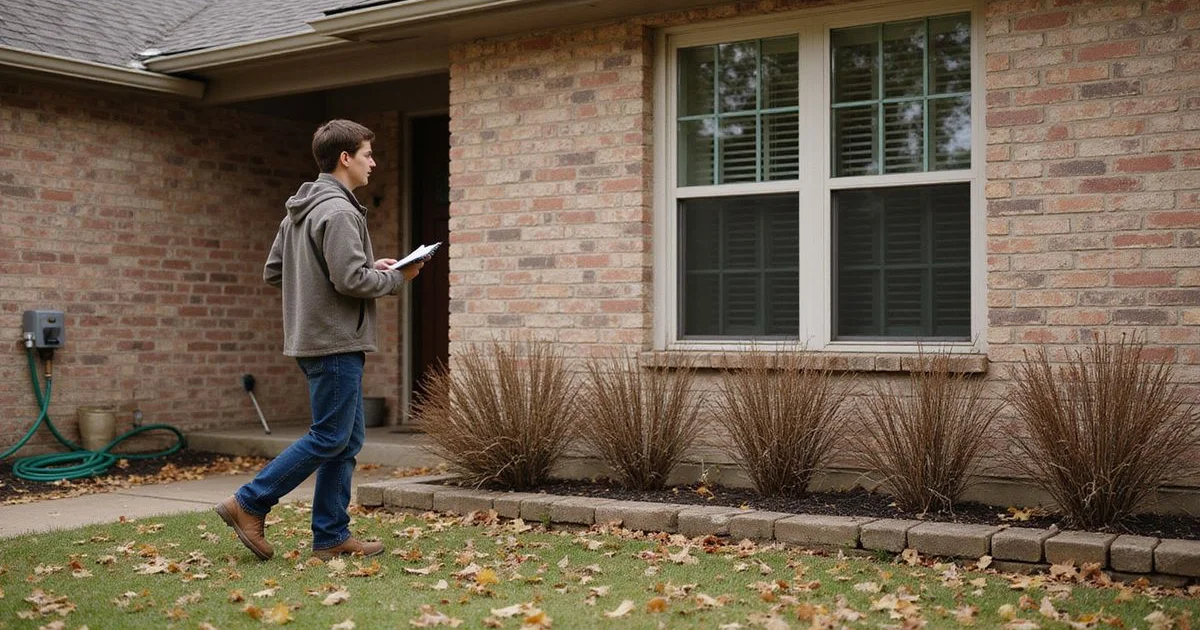
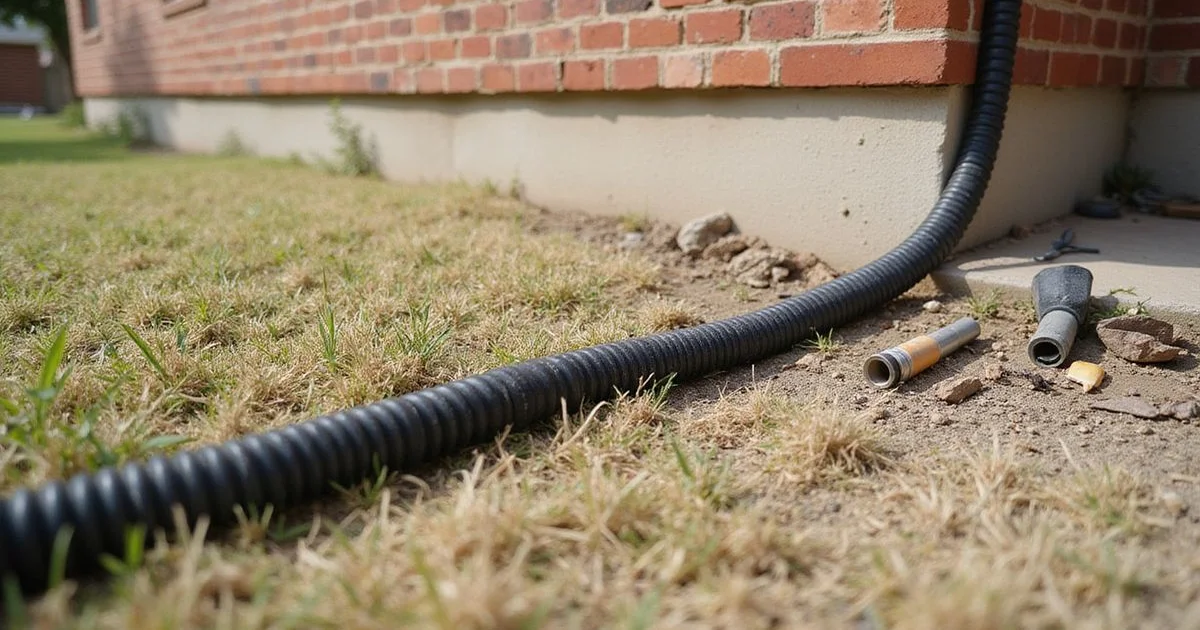
An observation is something visible. A stair-step crack above the front window. A door that catches on the jamb. A floor that seems to fall toward the kitchen. These are facts. You made them yourself, you do not need anyone’s permission to believe them, and nobody can argue you out of them.
A diagnosis is a conclusion about cause and significance. The northeast corner has settled by roughly an inch, consistent with soil shrinkage beneath the grade beam, and the movement pattern indicates it is ongoing. That requires measurement, context, and judgement — which is what a foundation evaluation is for, and why we will not attempt one from a photograph.
Observations are evidence for a diagnosis. They are not a diagnosis. And the gap between those two sentences is where most of the bad outcomes in this industry happen.
Why it matters commercially
Consider how a foundation repair sale typically goes wrong.
A homeowner photographs a crack and sends it to three companies. Two respond with a rough pier count and a price range before anyone has visited. The third arrives, spends twenty minutes walking around, points at the crack, and produces a proposal for eighteen piers.
Nobody in that sequence has measured anything. The pier count came from a look, an assumption, and a commercial instinct about what the homeowner will accept. It might be right. It is certainly not evidence.

The defense against this is not cynicism about contractors. It is asking a specific question: what measurement supports this number? A relative elevation survey produces a picture of the floor plane across the whole house. That picture, plus documented observations, plus a load path, is what a defensible pier count comes from.
If nobody can show you the measurement, the number is a guess.
What the standard means for our own content
Applying this rule to ourselves has consequences, and some of them are commercially inconvenient.
We will not diagnose from a photo. You can send us pictures and we will talk about them, because they give useful context. We will not tell you your foundation needs work on the strength of an image.
We will not use a soil map to describe your house. Regional soil and geological mapping describes mapped units across an area. It cannot establish conditions beneath one specific lot. Fill, transitions, construction history, drainage, and tree proximity all vary property to property. Publishing a “risk score” for a neighbourhood from a soil map is dressing up a guess in a map’s authority.
We will not publish reviews we do not have. Our reviews page currently has no testimonials on it, because we do not have verified ones to publish. Writing four convincing quotes and attaching stock photographs would take about fifteen minutes and would be a lie.
We will not publish an average repair price. Cost depends on foundation type, method, quantity, access, depth, engineering, permits, associated work, and restoration. An average across those variables is not information, and presenting one as a benchmark helps nobody compare anything.
We disclose the byline. Brock Callahan is an editorial pen name used by this business. It says so on the about page and in this post. Inventing a career history to make the byline look more authoritative would be exactly the sort of thing this page exists to rule out.

How it shows up in the report you receive
The same separation runs through the documents we write. An evaluation report has three parts, kept deliberately apart:
| Section | What it contains | Status |
|---|---|---|
| Findings | Elevation readings, documented observations, site conditions | Fact |
| Interpretation | What we believe the findings indicate, with reasoning | Our opinion |
| Recommendation | Proposed scope, or a recommendation to monitor | Our proposal |
You can accept the findings and disagree with the interpretation. You can take the findings to a licensed Professional Engineer and get an independent opinion on them. That is a feature, not a risk we are exposing ourselves to by accident.
We are a contractor, and that is relevant
Our evaluation is a contractor evaluation, not an independent structural assessment. Where independence genuinely matters — transactions, disputes, insurance, unusual movement patterns — we say so and recommend an engineer, rather than hoping the question does not come up.
Corrections
The standards page includes a correction route, and it is not decorative. If something on this site is wrong, email us with the page and the issue. Substantive corrections are made to the page and the updated date changes, so the revision is visible instead of silent.
That is a small commitment, but it is the kind that is easy to make and inconvenient to keep, which is roughly the definition of one worth publishing.
Want to see what our written scope actually looks like? — Request a foundation repair quote